ENIA — Enterprise AI Agents Platform
Enterprise AI agents that decide, execute, and stay auditable.
- •Visual workflow builder for AI agents — nodes, variables, routing
- •Multi-agent orchestration with human-in-command control
- •MCP / API tool execution, on-prem inside the client perimeter
- •Audit-ready traceability: data lineage, approvals, decision rationale
ENIA (ENterprise Intelligent Agents) is an enterprise-grade AI agents platform that supports decision-making and autonomously runs workflows — always under human-in-command control. Built for regulated, high-stakes environments (Oil & Gas majors first) and delivered inside a top-tier global technology services company, it turns disconnected systems and manual, effort-heavy processes into governed, traceable, agent-driven execution.
A Visual Builder for Agentic Workflows
Configure any enterprise use case on one governed, agent-driven engine
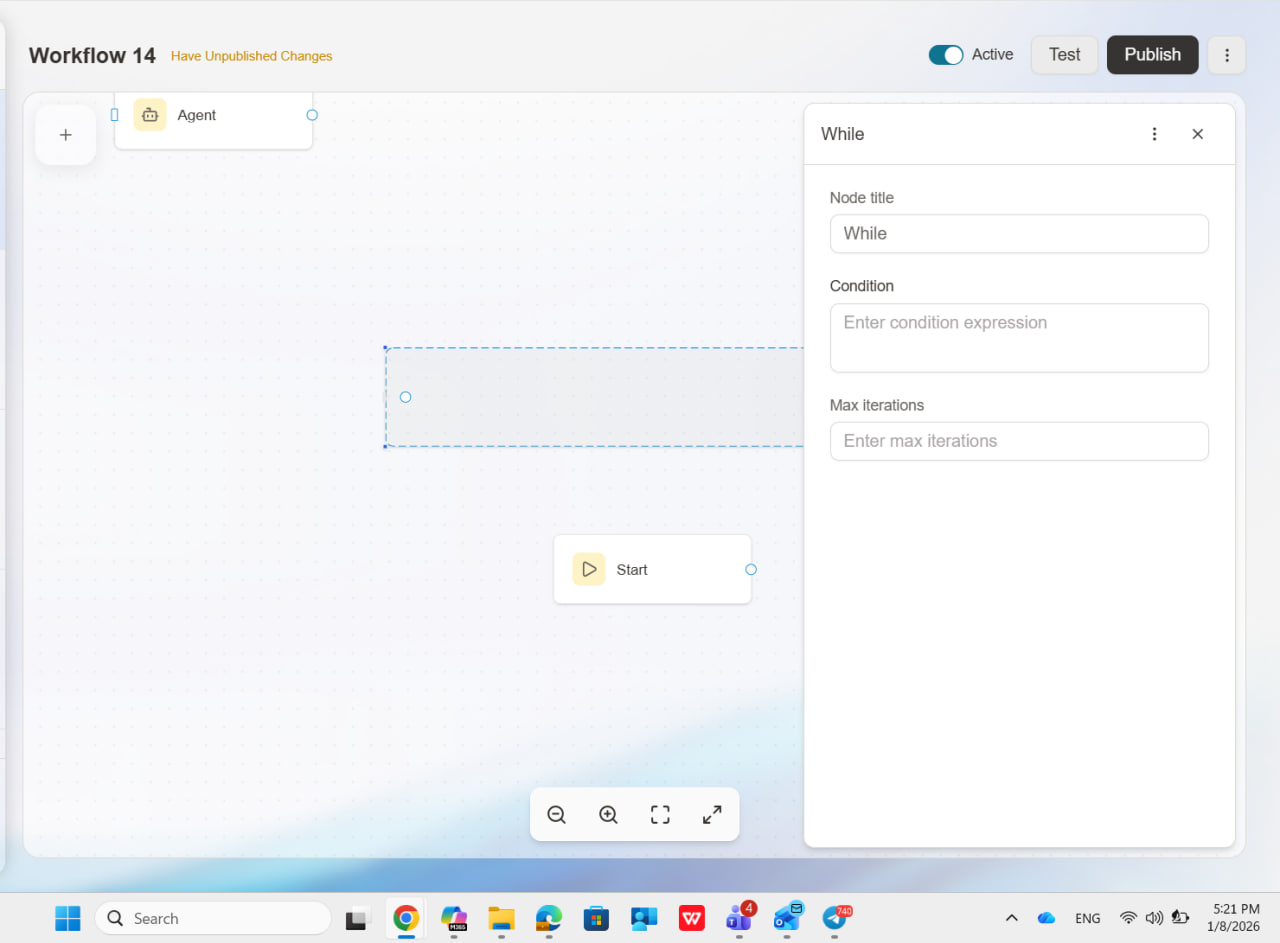
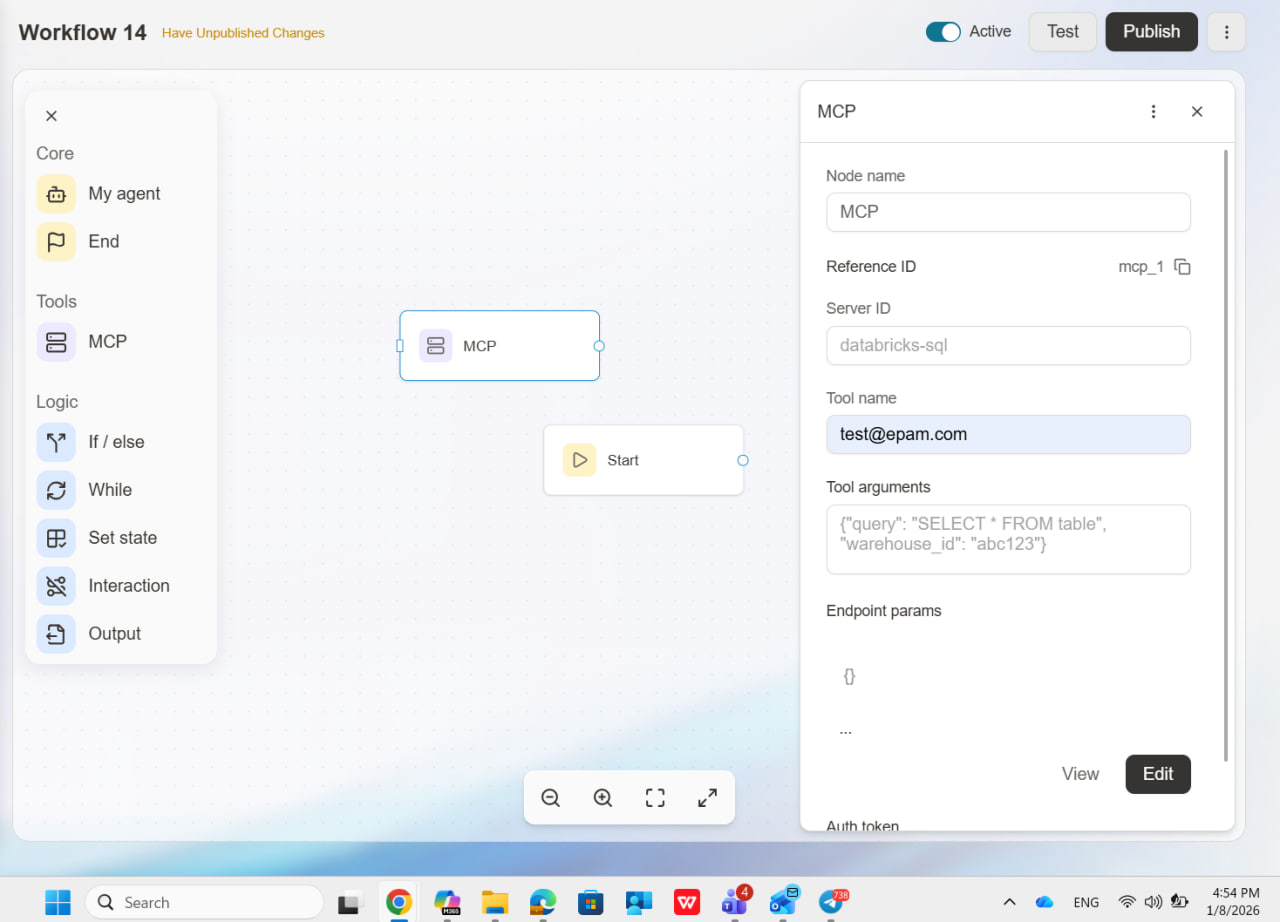
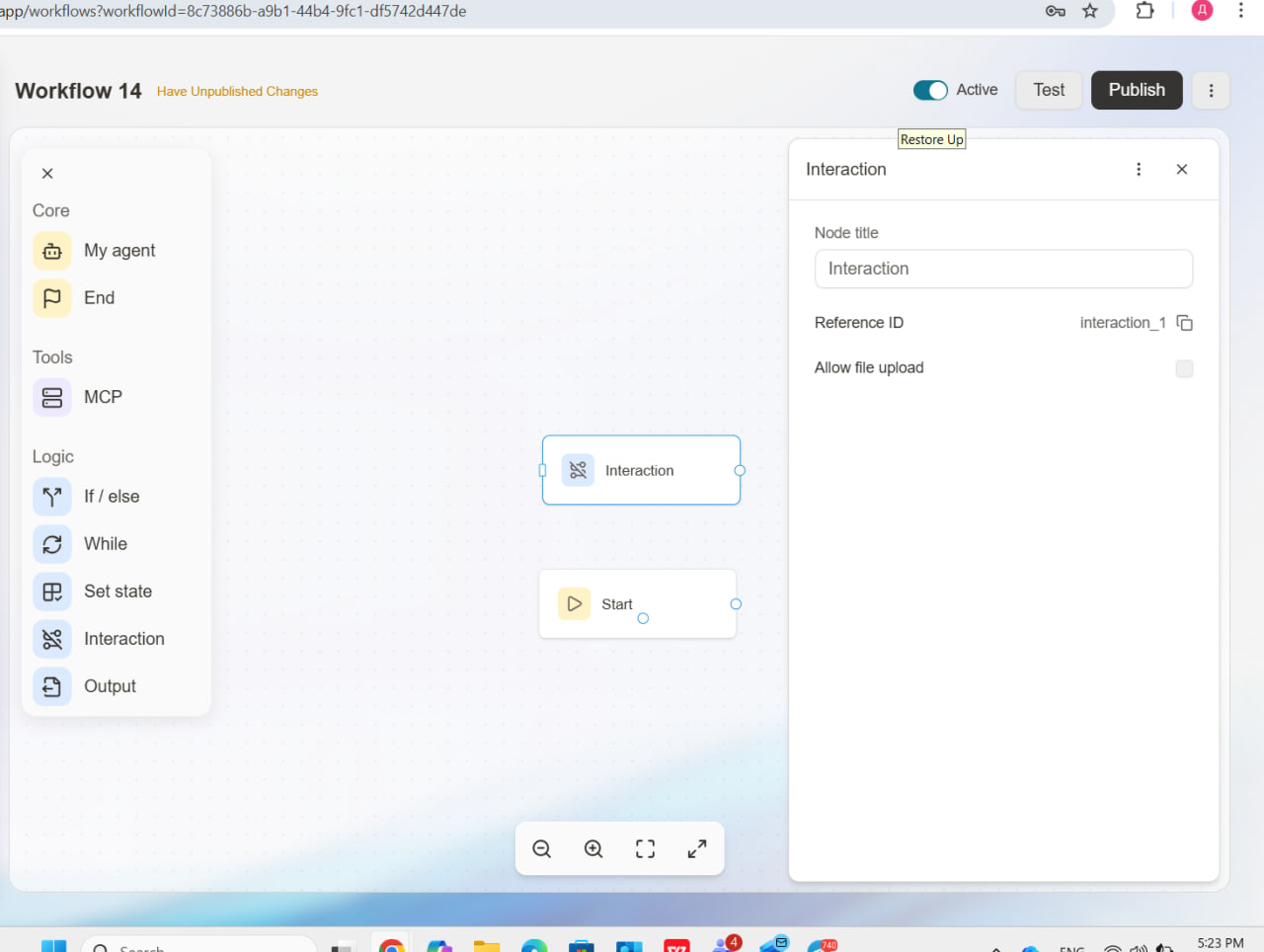
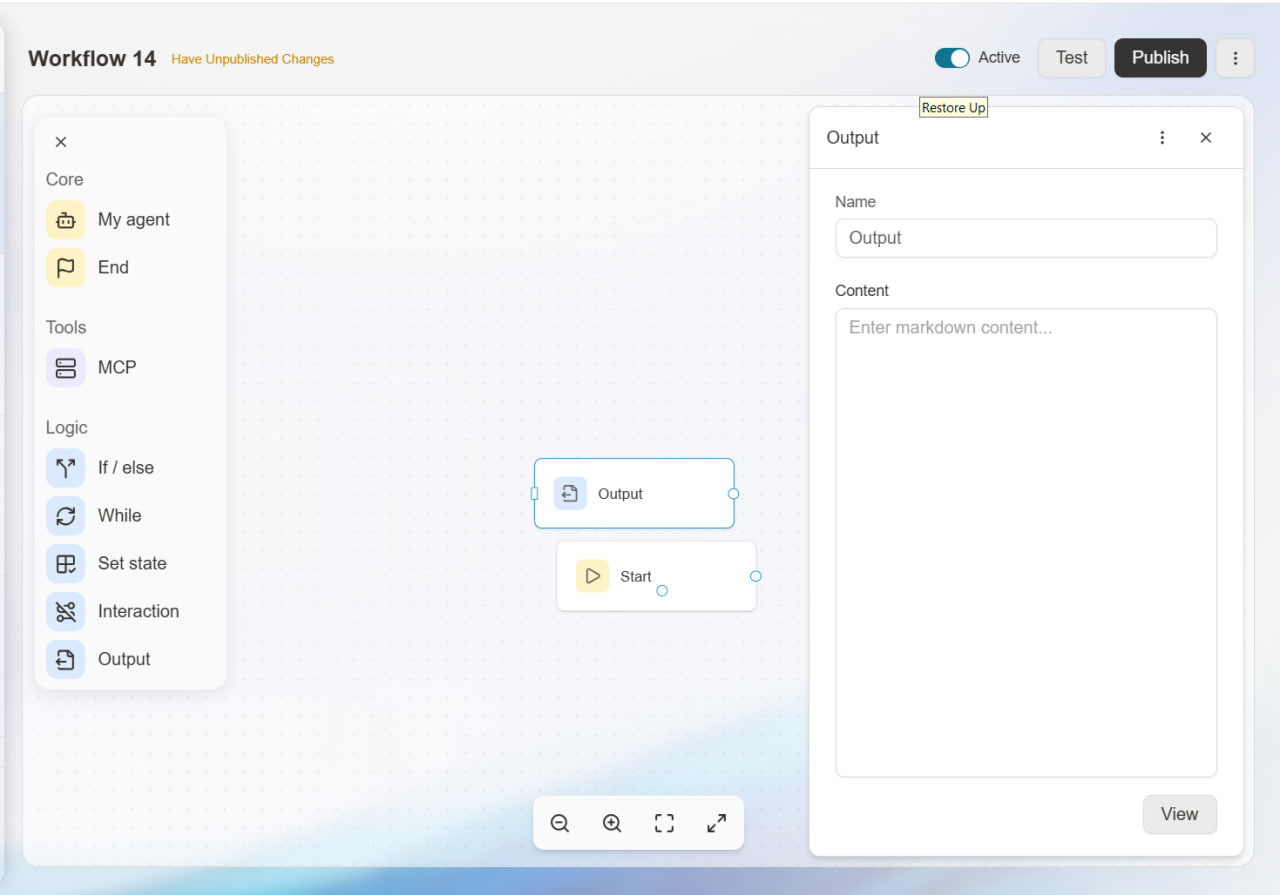
At the core is a visual workflow builder: teams assemble workflows from nodes — Agent nodes, Set State, conditional If/Else routing, and external tool calls over MCP and APIs. Variables flow between steps, prompts are composed from state, and every node produces structured, inspectable output.
Instead of hard-coding one automation at a time, an enterprise can configure any use case — from compliance checks to operational decisions — on the same governed engine.
Autonomy — With a Human in Command
Roles, policies, guardrails, and human checkpoints built into the substrate
Autonomy without control is a liability in regulated industries. ENIA runs agents autonomously, but governance is built into the substrate: roles, policies, guardrails, and mandatory human confirmations at the checkpoints that matter.
The platform reasons in layers — evidence collection, context reasoning, adaptive logic, workflow execution, governance — so simple cases move fast on known patterns while complex ones escalate for deeper analysis and human sign-off.
Built for Audit and Trust
Every decision is traceable end-to-end: data lineage, who approved what, and the rationale behind each outcome. Deployment happens on-prem, inside the client’s perimeter, so sensitive data never leaves their control.
This is what makes agentic AI adoptable in Oil & Gas, banking, and insurance — not a demo, but a system auditors and operators can actually trust.
The building blocks
The node types teams compose workflows from.
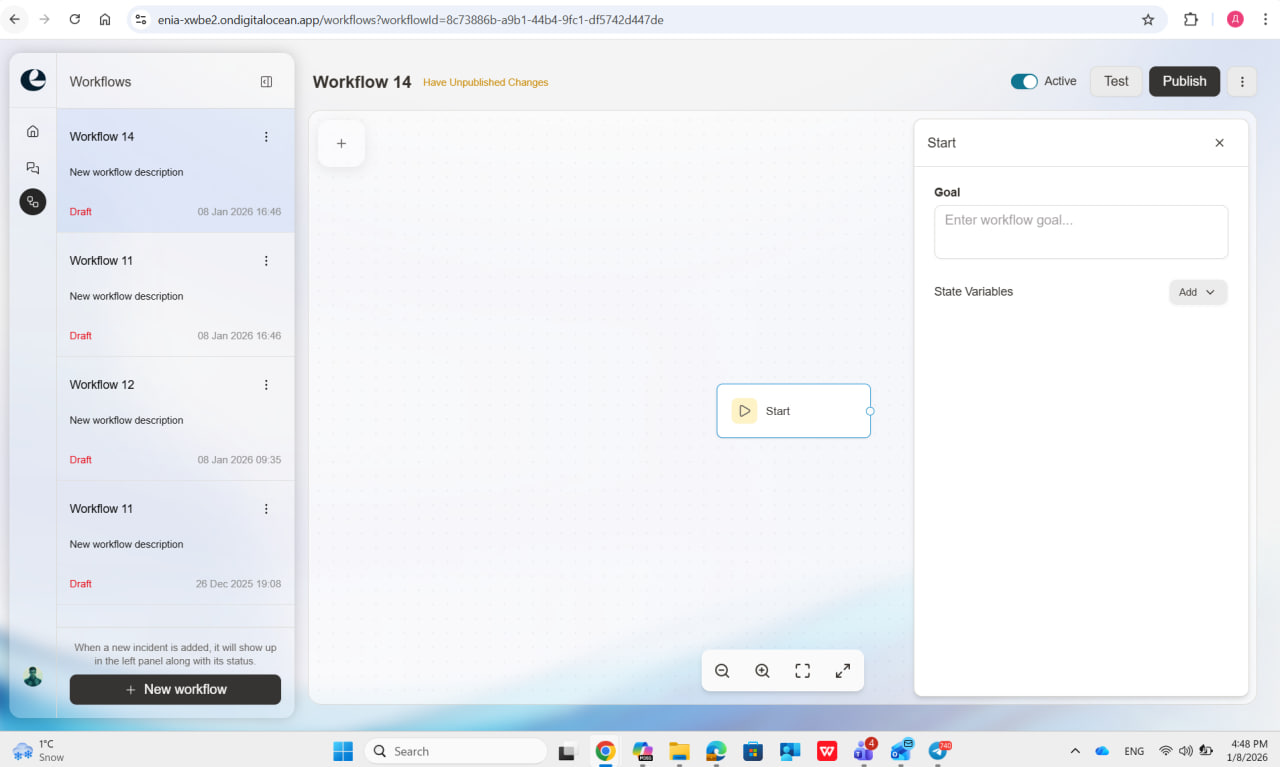
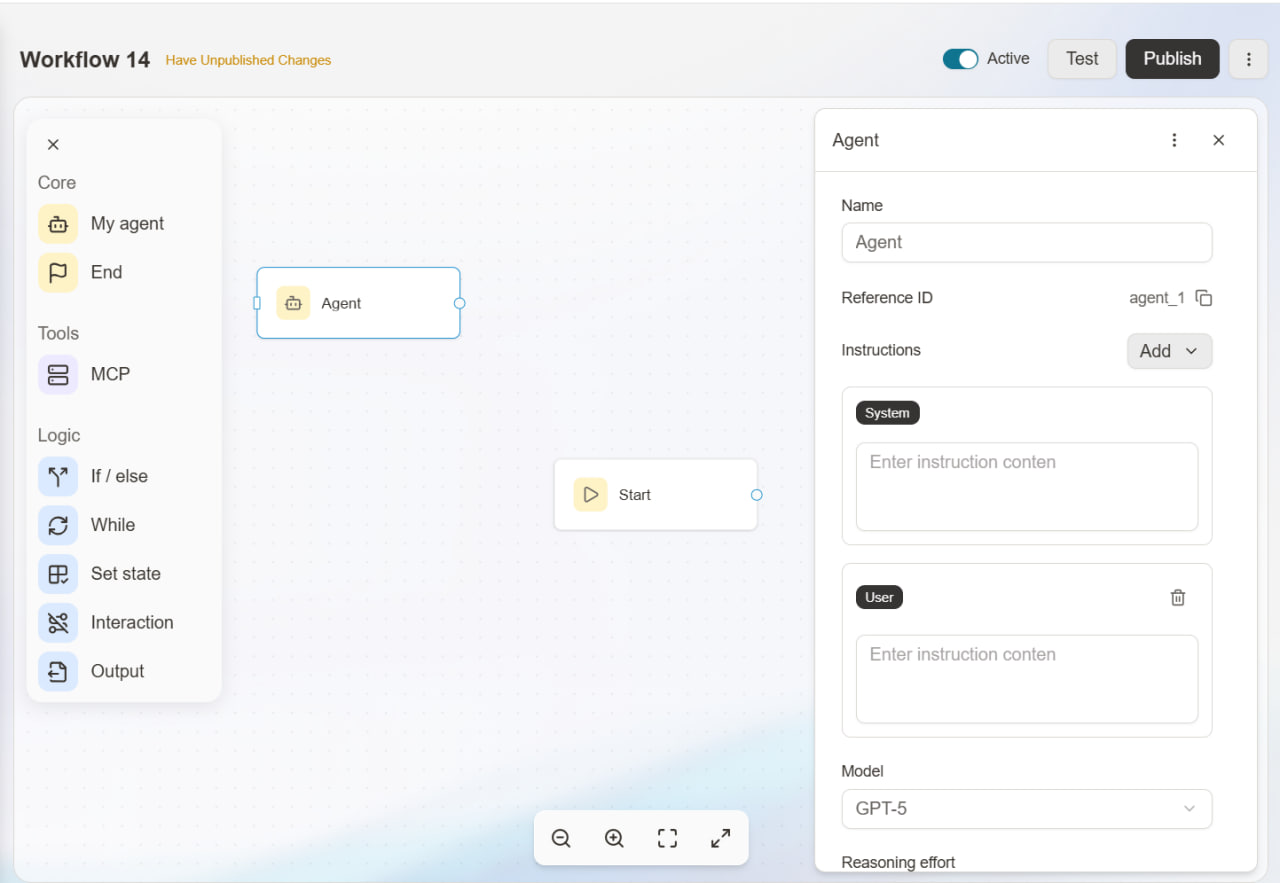
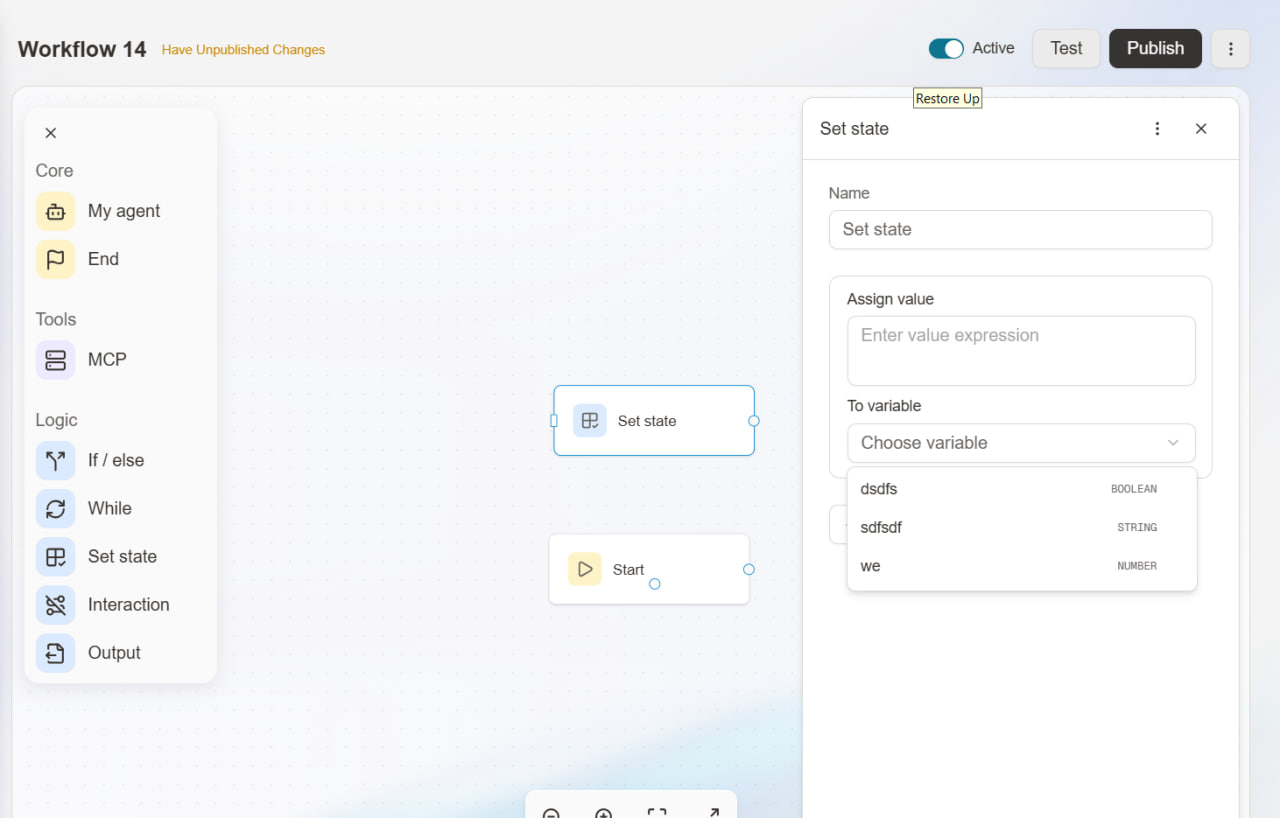
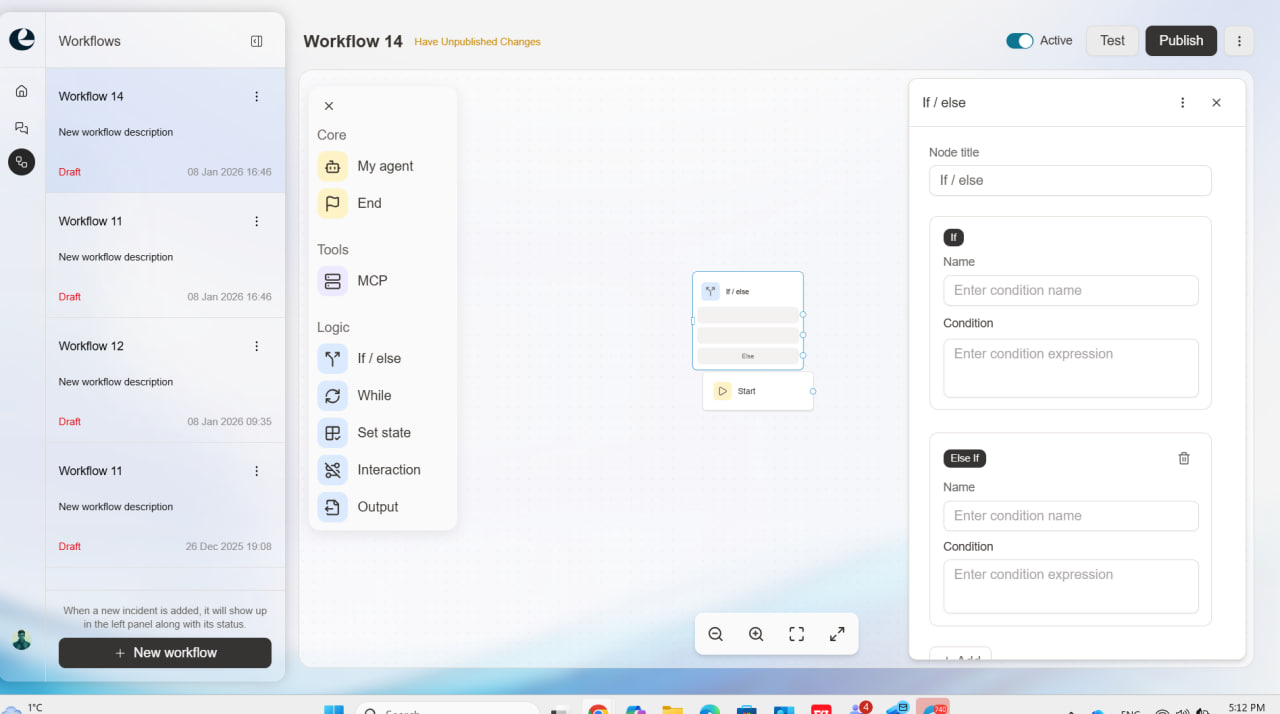
 Tap to enlarge
Interested in building something similar?
Let's Connect