Requirements Machine — Idea to Enterprise-Ready Backlog
From a one-line idea to an enterprise-ready, traceable backlog.
- •AI agent that turns a feature idea into Jira Epics & User Stories
- •Reads both repositories and the existing Jira backlog before writing anything
- •Gherkin acceptance criteria (Given/When/Then), matched to the team’s own style
- •Generates a wireframe PNG of the proposed UI from the same analysis
- •Human-in-command: proposes, waits for approval, then publishes
 Tap to enlarge
Requirements engineering is where enterprise delivery quietly slows down — inconsistent stories, missed dependencies, endless review cycles. I built an AI Requirements Machine that reads the backend repository, the frontend repository and the existing Jira backlog, and only then turns a feature idea into structured Epics, User Stories and a wireframe — with human approval at every step. Delivered inside a top-tier global technology services company for enterprise engineering teams. The screens shown here are illustrative reconstructions of the interface.
Analysis on Top of Analysis
Two repositories and the existing backlog — read before a single requirement is drafted
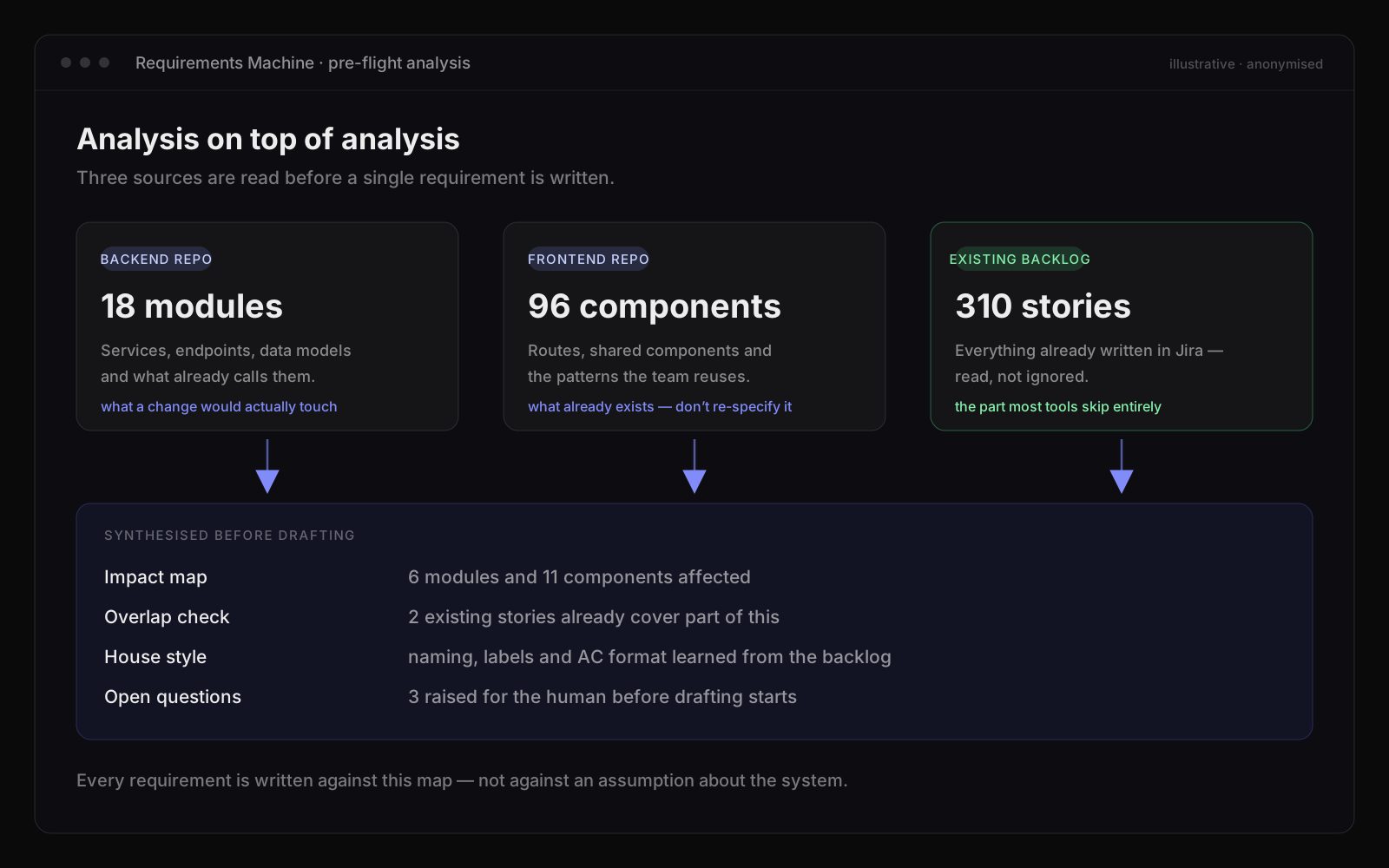
Before writing anything, the machine reads three sources: the backend repository, the frontend repository, and the project’s existing Jira backlog. The repositories tell it which modules and components a feature actually touches and what depends on them. The backlog tells it what has already been specified.
That third source is the one most tools skip. Reading it is how the machine catches that a request overlaps a story written three sprints ago, links the dependencies that already exist, and adopts the team’s own naming, labels and estimate scale instead of imposing generic ones.
Knowing What Not to Write
Duplicates caught before they are written — not three sprints later
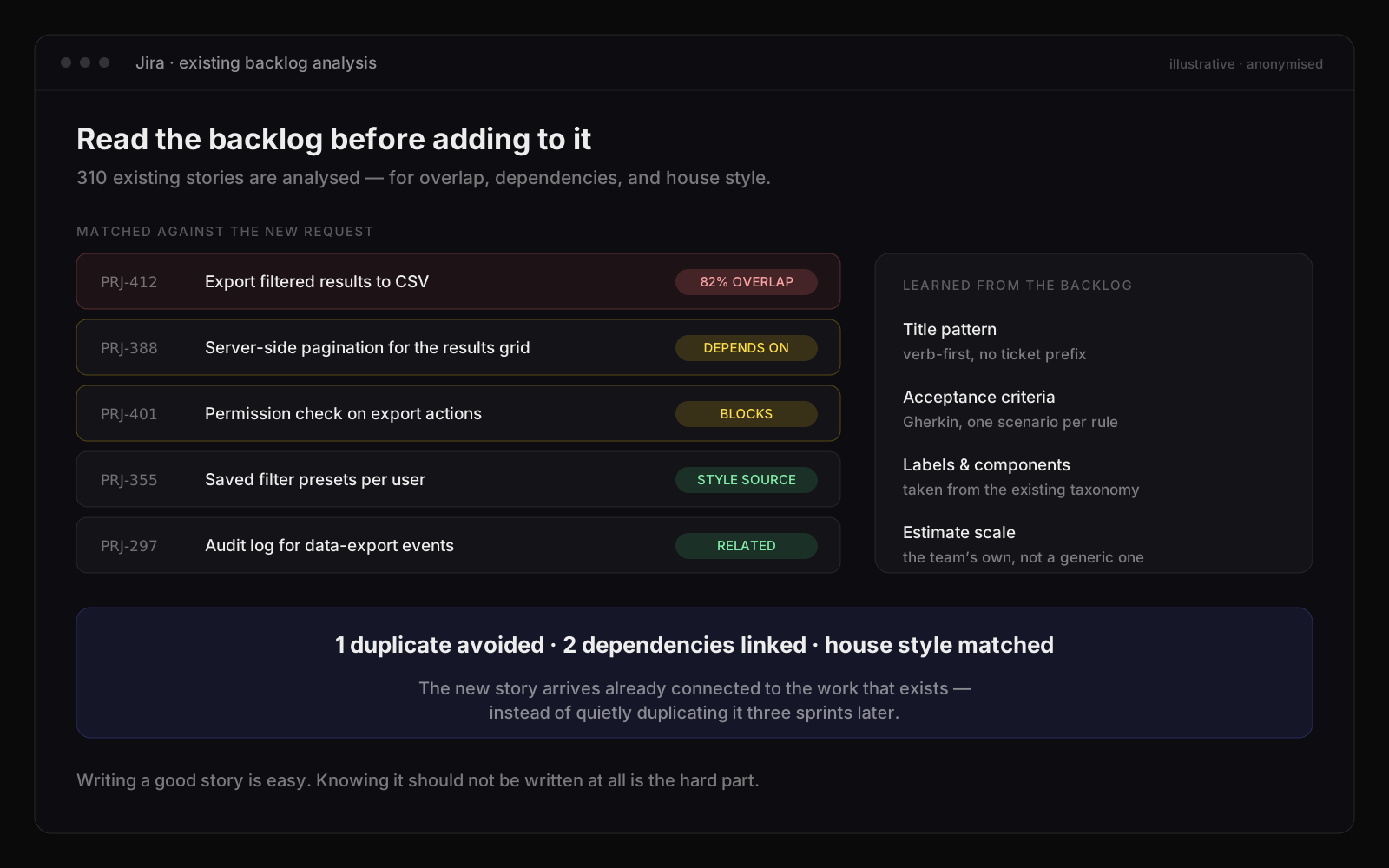
The easy part of requirements engineering is writing a good story. The hard part is knowing that a story should not be written at all — because it duplicates existing scope, or because it silently depends on work nobody has linked.
Each new request is matched against every story already in the project. Overlaps are surfaced with a percentage, dependencies and blockers are linked, and genuinely open questions are raised for the human before drafting begins rather than discovered in refinement.
Enterprise-Grade by Construction
Consistent, testable, audit-ready — Gherkin criteria on every story
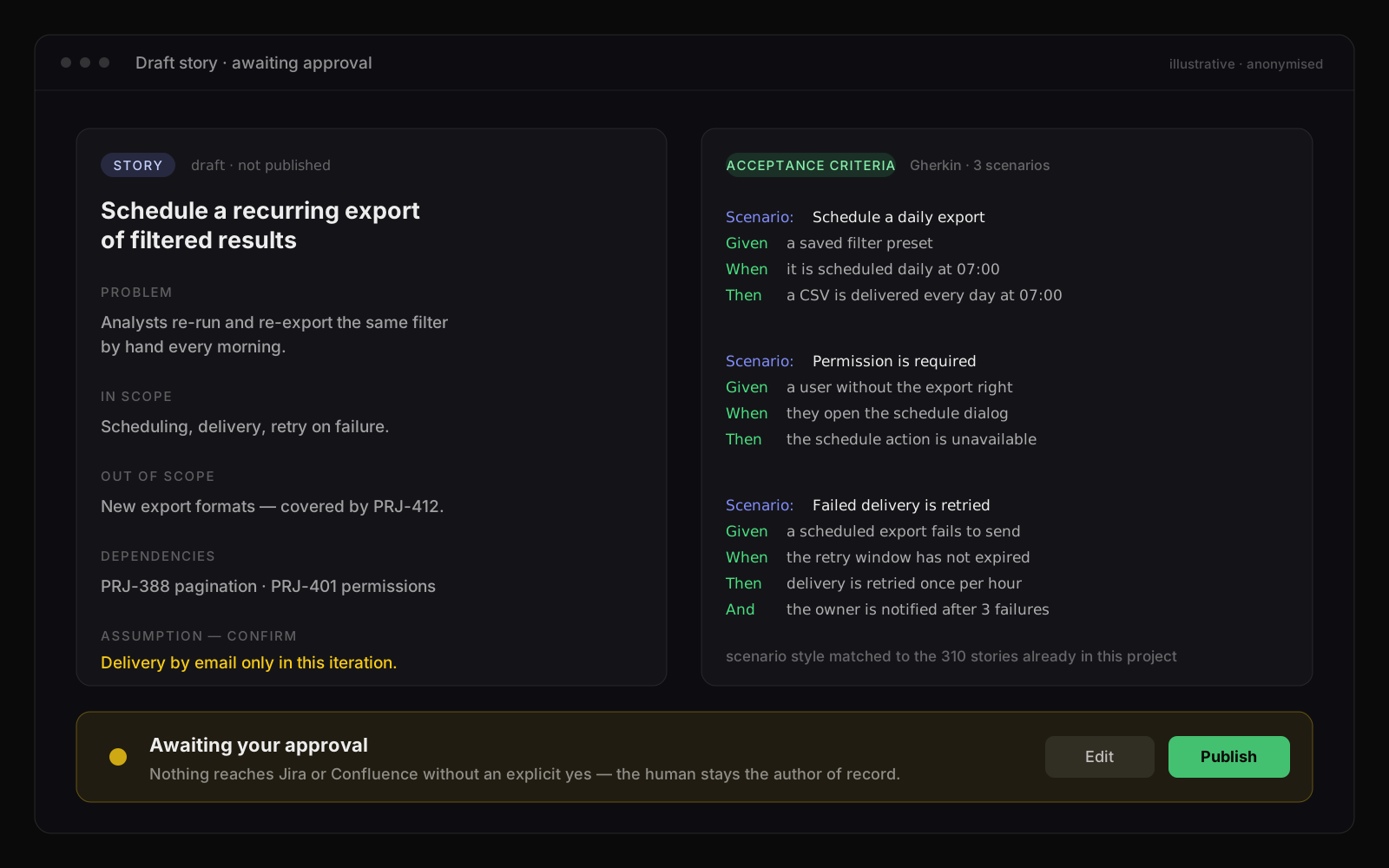
Every Epic and Story follows a rigorous structure — problem statement, scope, out-of-scope, assumptions, and Gherkin acceptance criteria (Given/When/Then), including end-to-end scenarios for complex flows. The output is consistent, testable, and audit-ready by default.
Requirements You Can Look At
A wireframe PNG from the same analysis — the picture and the text can’t drift apart
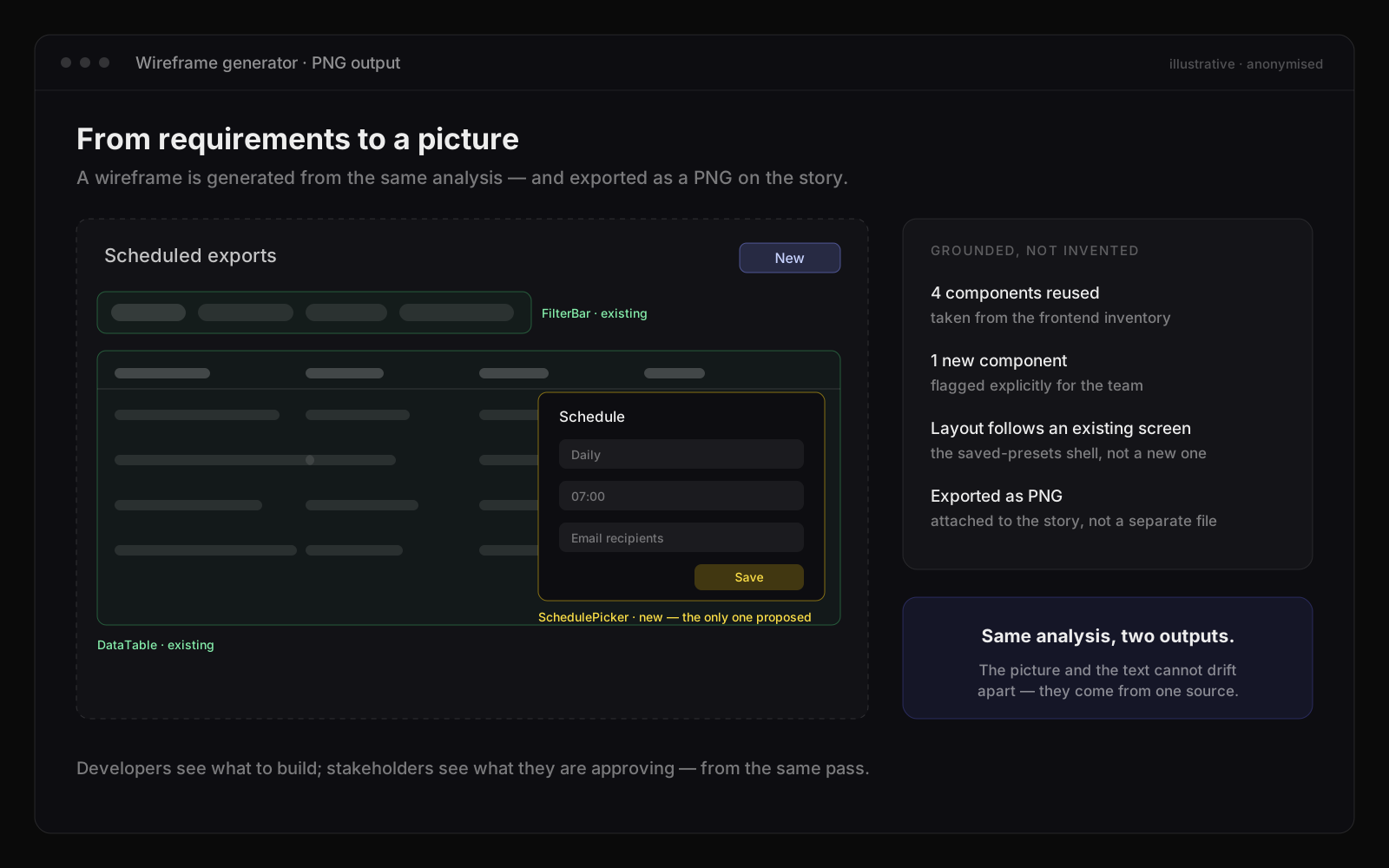
Text alone is a poor way to agree on an interface. The machine also generates a wireframe of the proposed screen and exports it as a PNG attached to the story — built from the same frontend analysis that produced the requirements.
Because it works from the real component inventory, the wireframe reuses what the team already has and flags the one component that genuinely does not exist yet. Developers see what to build and stakeholders see what they are approving, from a single pass — so the picture and the text cannot drift apart.
Human-in-Command
The AI drafts and structures; the human approves and owns
The machine never publishes on its own. It proposes a title and waits; drafts the story and waits; writes each scenario and waits — then publishes to Jira and documents to Confluence only on an explicit yes. The human stays the author of record; the AI removes the toil.
Interested in building something similar?
Let's Connect