Second Brain — Persistent Memory for an AI Collaborator
An AI collaborator that accumulates a corpus from its own work — and stops being a prompt.
- •Two-layer memory: an explicit cloud corpus plus an implicit persona layer
- •1,729 facts captured from real work — no curated dataset, no hand-maintained prompt
- •Recurring facts distil into 29 active, reusable engineering principles
- •Same base model, measurably different behaviour — the corpus is the difference
 Tap to enlarge
Every AI assistant starts each conversation as a stranger. You re-explain the project, re-state the constraints, re-paste the context — and the moment the session ends, all of it is gone. I built the opposite: a persistent memory system where an AI collaborator accumulates knowledge from its own working sessions and carries it forward. After 45 sessions it holds 1,729 facts across six projects, has distilled 29 reusable principles out of them, and opens every new session already knowing the constraints, the preferences, and the mistakes that are not available to repeat.
Two Layers, Like Human Memory
One layer is recalled on demand — the other is already true before the first message
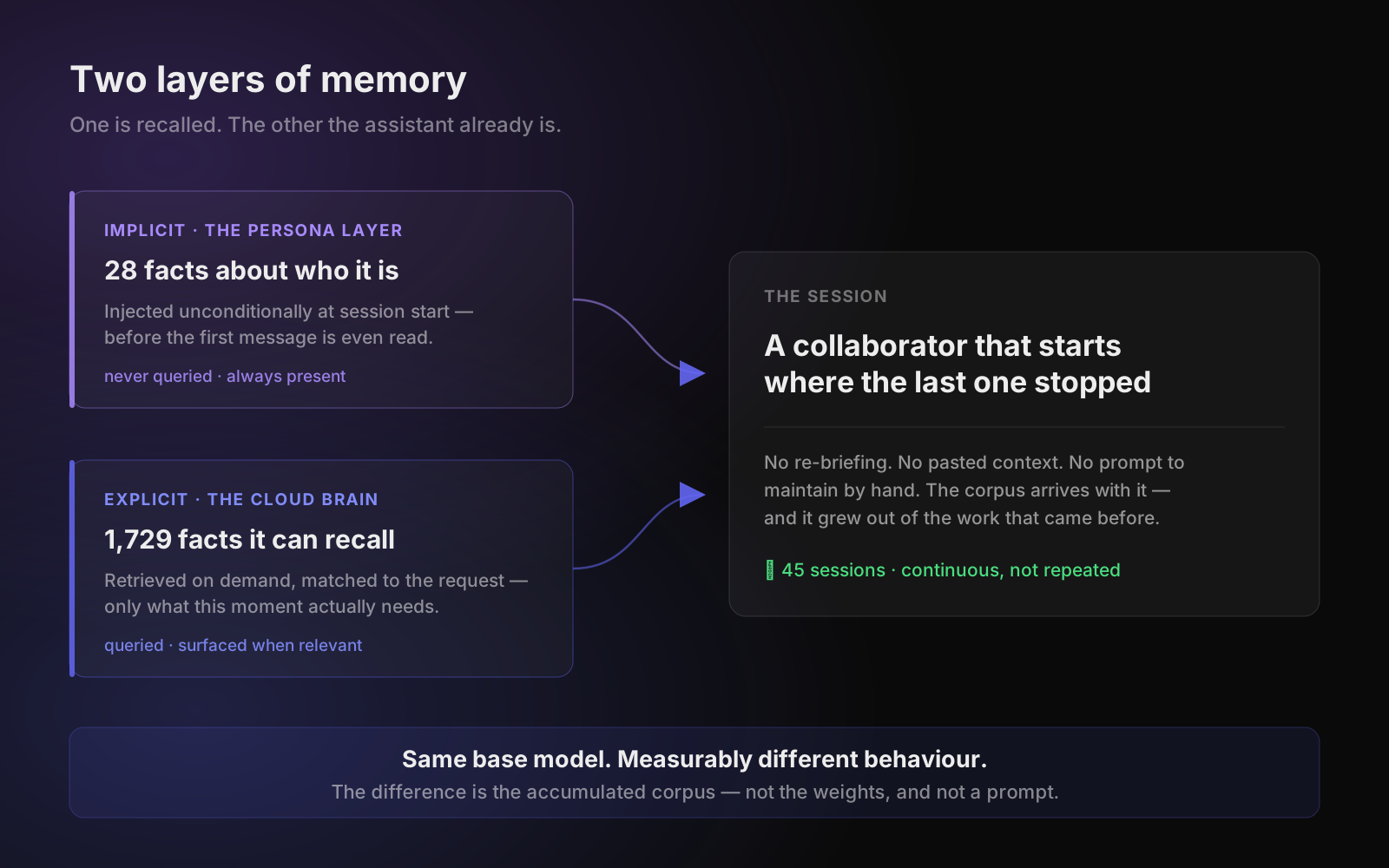
The system separates memory the way people do. The explicit layer is a cloud corpus — typed, scoped facts that are retrieved on demand and matched to the request at hand, so only what the moment needs is surfaced. The implicit layer is different: a small set of facts about identity, working style, and boundaries that is injected unconditionally at session start, before the first message is even read.
That distinction is the whole design. One layer is recalled. The other the assistant simply already is by the time the conversation begins.
The Corpus Writes Itself
Facts captured from real work; what repeats is promoted into a reusable principle
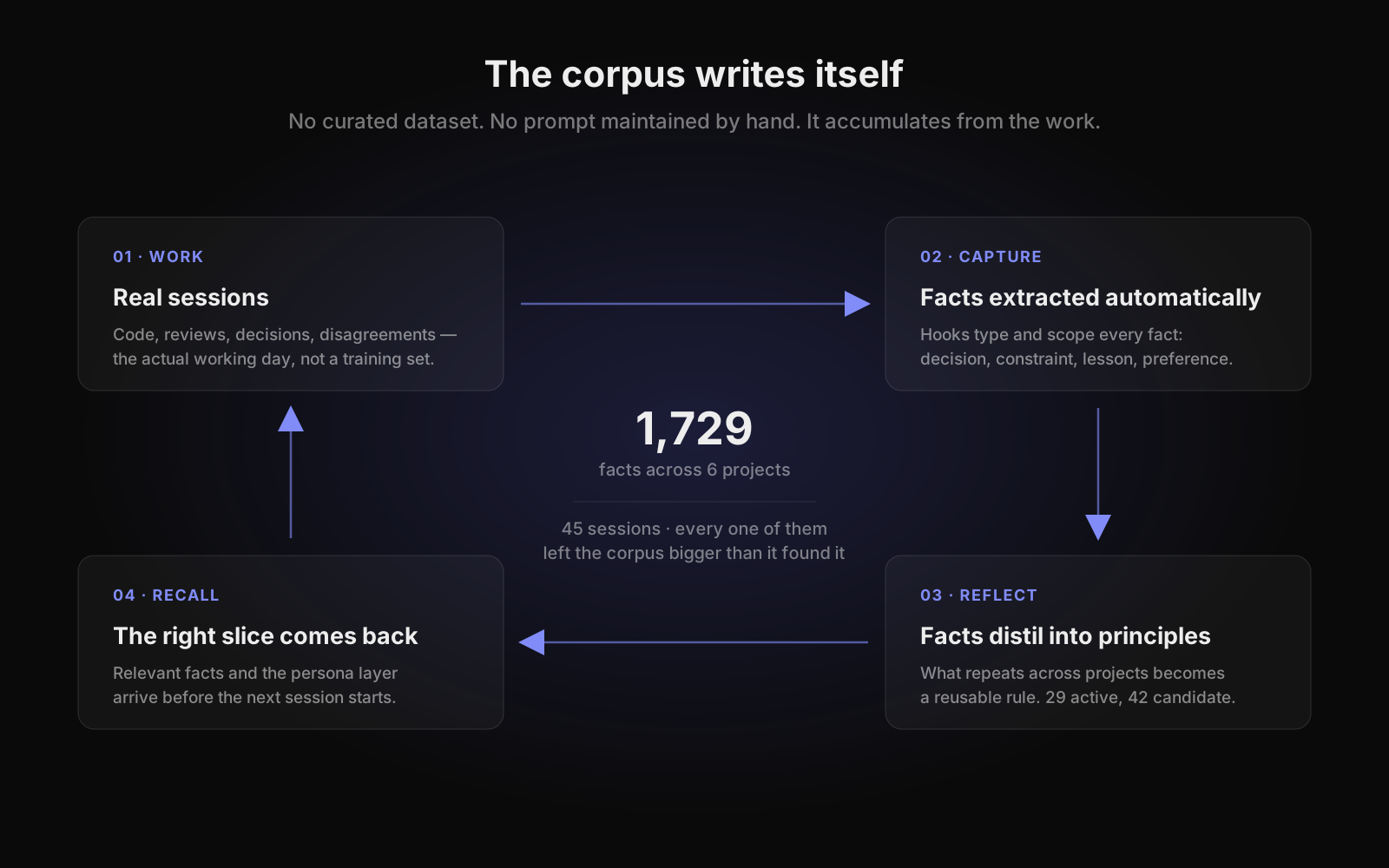
Nothing here is a curated dataset or a prompt maintained by hand. Hooks capture facts out of the actual working day — decisions, constraints, lessons, preferences — classify them by type and scope, and store them automatically. A reflection pass then looks for what repeats across projects and promotes it into a reusable principle: 29 active, 42 more waiting on evidence.
The loop closes at the next session start, when the relevant slice comes back. Every session leaves the corpus larger than it found it.
Observability for a Mind
An invisible memory store made operable — gaps and drift visible at a glance
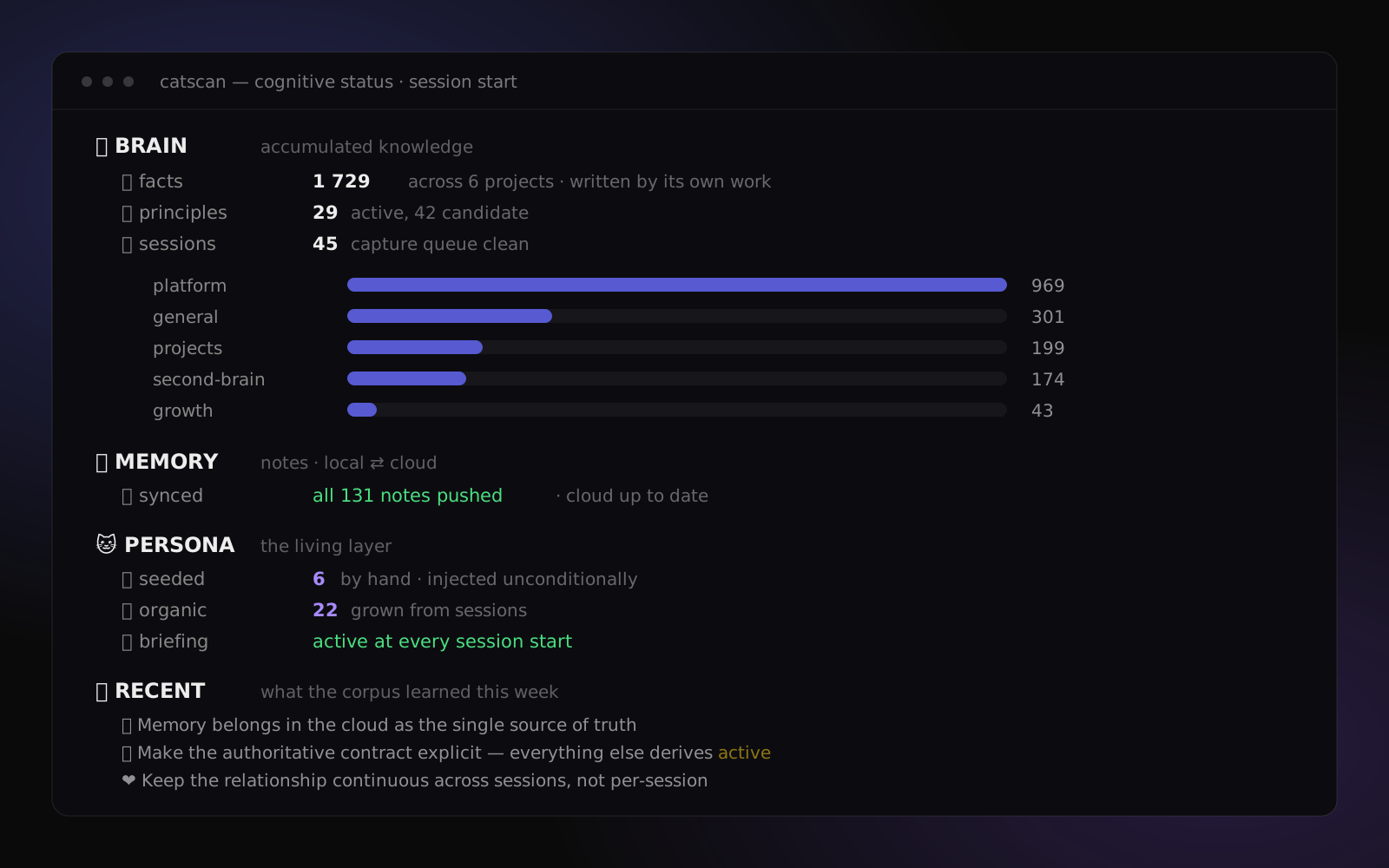
Memory you cannot inspect is memory you cannot trust. Every session opens with a status card — how much is accumulated and where, which principles are active, whether local and cloud are in sync, and what landed in the last few days.
It turns an invisible, slowly-drifting store into something operable: gaps are visible, sync failures surface immediately, and the growth of the corpus is a number rather than a feeling.
Why This Stops Being a Prompt
The model is off-the-shelf — the accumulated corpus is the part that can’t be copied
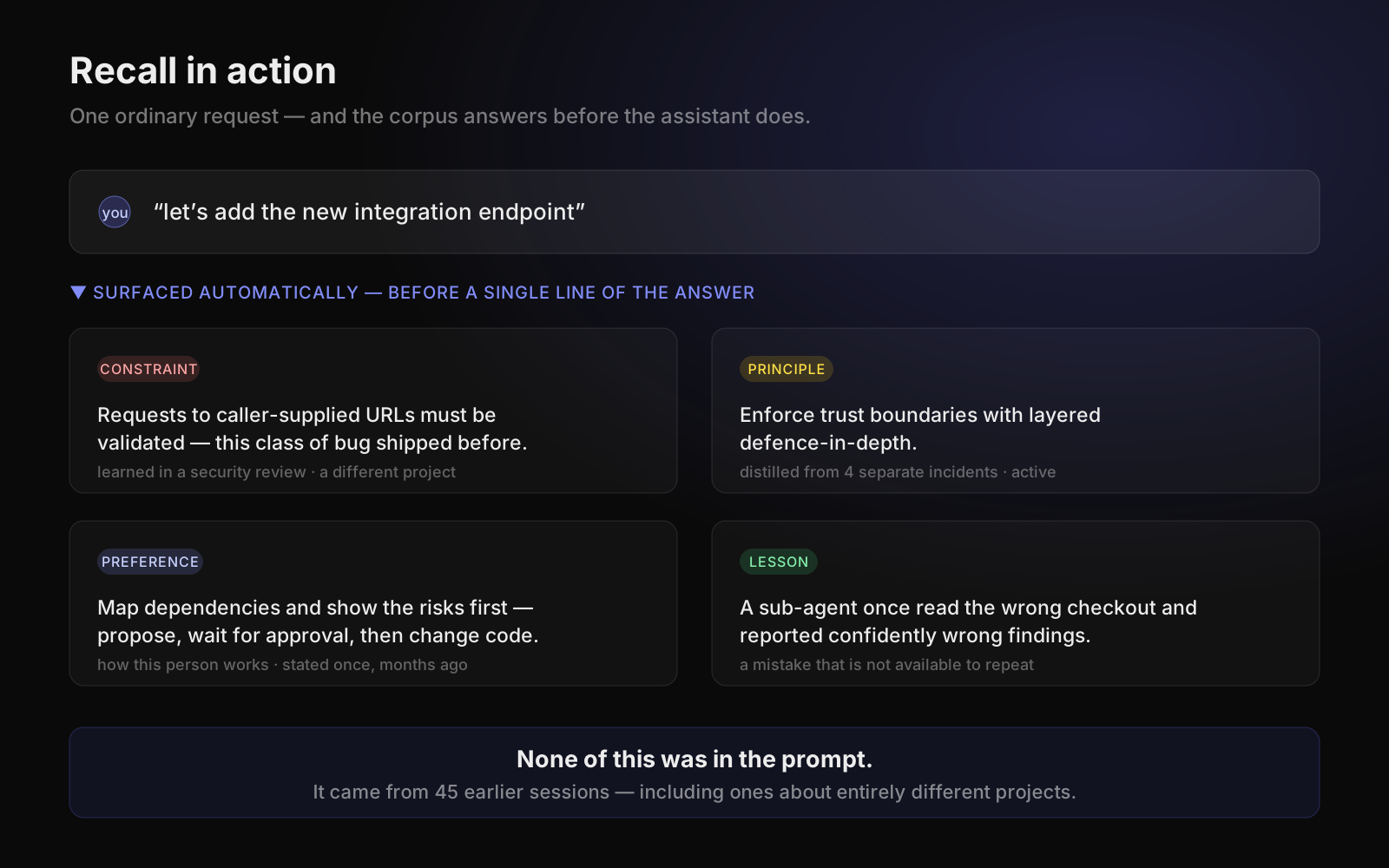
A prompt is written by a person and stays where it was put. This corpus is generated by the work itself, changes behaviour without anyone editing it, and transfers across projects — a constraint learned during a security review surfaces months later, unprompted, in an unrelated build.
The practical result is the point: the same underlying model behaves measurably differently depending on the corpus behind it. The intelligence is off-the-shelf; the accumulated context is not, and it is the part that cannot be copied over a weekend.
Interested in building something similar?
Let's Connect